

Furnace Troubleshooting: How to Diagnose and Fix Common Heating Problems
If your furnace isn’t putting out heat or is behaving unpredictably, this guide walks you through the most common causes, safety-first steps, and straightforward troubleshooting you can do at home. You’ll learn how thermostat settings, restricted airflow, ignition components, gas supply, electrical issues, and sensors affect heating — and what to try before calling for help. We lay out a step-by-step checklist for a furnace that won’t start, a clear diagnostic path for units that run but blow cold air, how to read basic error codes, and when it’s time to call a pro. For homeowners in Ferron, UT, Snow’s Heating & Air Conditioning offers local, 24/7 emergency service and transparent quotes if a technician is needed.
Why isn’t my furnace heating? Common causes and quick solutions
When a furnace won’t produce heat, the fault usually points to one or more areas: the thermostat, restricted airflow from a dirty filter, ignition or pilot problems, electrical power issues, or an interrupted gas supply. Knowing these likely causes helps you focus safe, effective checks that often restore heat without a service call. Below is a short, scannable list of the top causes to guide your first actions before deeper troubleshooting.
- Thermostat settings or dead batteries can stop the furnace from getting a heat signal.
- A clogged air filter limits airflow and reduces heat delivery to your rooms.
- Igniter or pilot failures prevent the burner from lighting even when other systems seem fine.
These basic causes lead directly to simple checks you can make at home. The table below matches symptoms with likely causes and quick, safe homeowner checks to help you triage efficiently.
| Likely Cause | Typical Symptom | Quick Home Check |
|---|---|---|
| Thermostat issue | Furnace does not start when set to heat | Make sure thermostat is set to HEAT, raise the setpoint, and replace batteries if it uses them |
| Dirty or clogged filter | Weak airflow; furnace runs but rooms stay cold | Look at the filter—replace with the correct size if it’s dirty |
| Igniter or pilot failure | Unit cycles power but there’s no ignition or visible flame | Check the burner area for flame from a safe distance; do not relight if you smell gas |
| Power / electrical fault | No power to the furnace; control board unresponsive | Check the furnace power switch and the breaker panel for a tripped breaker |
| Gas supply interruption | Furnace won’t light; overall drop in heating performance | Visually confirm the gas valve position; evacuate and call emergency services if you smell gas |
This quick reference helps you separate simple fixes from issues that need tools or a technician. The next sections look closer at thermostat and filter problems so you can reduce guesswork and move toward a safe repair.
How thermostat problems affect furnace heating
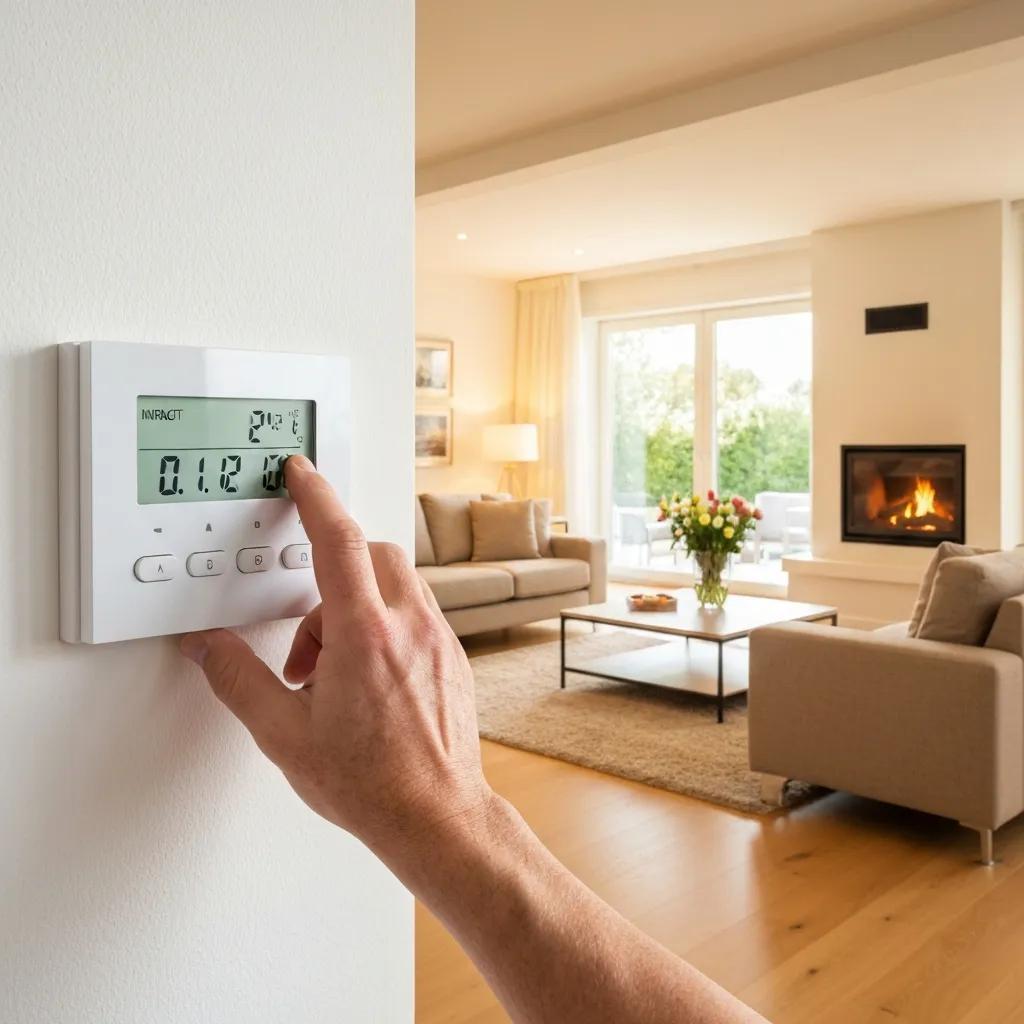
Your thermostat is the system’s command center — it tells the furnace when to run, for how long, and reports room temperature. If it’s set to the wrong mode, running on a schedule you don’t expect, or has dead batteries, the furnace may never get a heat call even though everything else is fine. Smart thermostats can add scheduling or connectivity layers that sometimes override manual settings. First steps: confirm the mode is HEAT, raise the setpoint, and replace batteries if needed. If a smart thermostat shows errors, check its diagnostics before assuming the furnace is at fault. Fixing thermostat settings is often the quickest path to restoring heat and avoiding an unnecessary service visit.
How a dirty air filter affects furnace performance
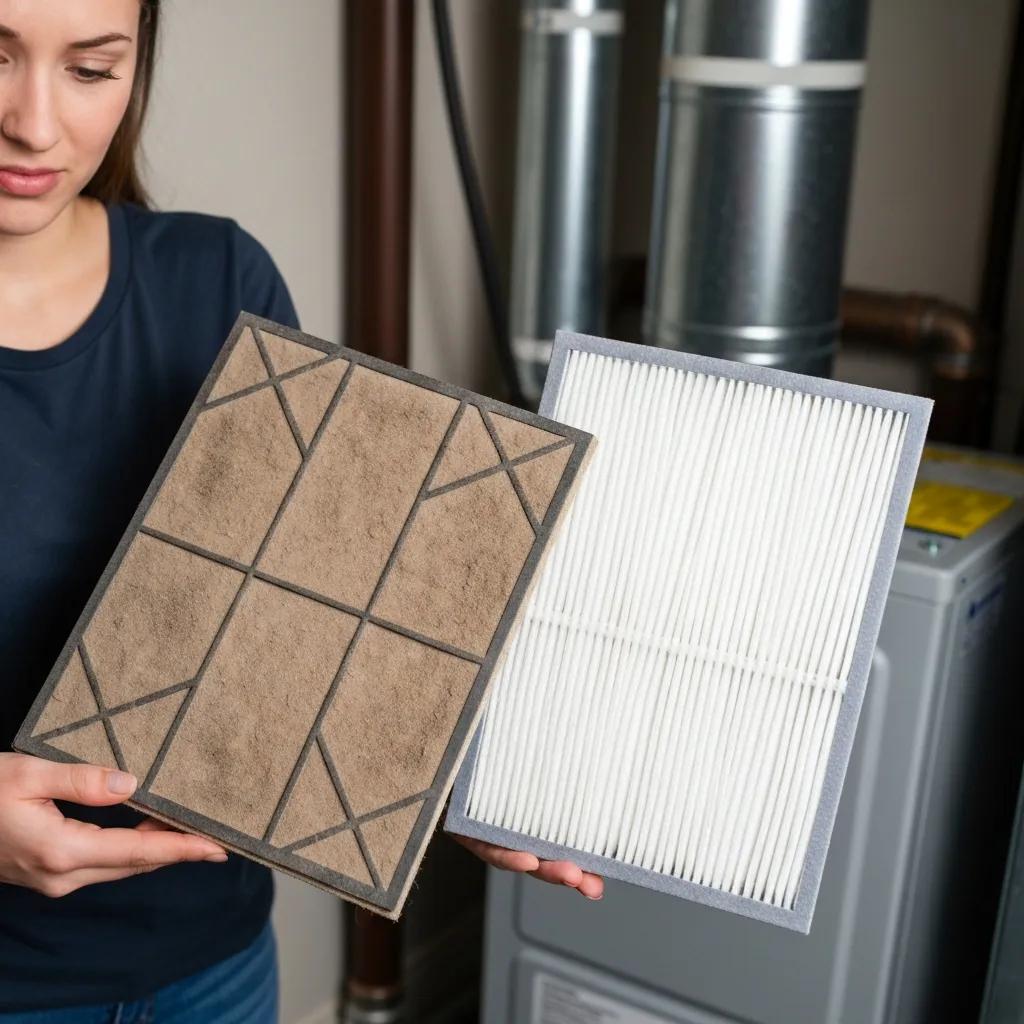
A clogged filter restricts airflow, forcing the heat exchanger to work harder and sometimes tripping safety limits that shut the furnace down. Poor airflow reduces heat transfer to your home and can cause the furnace to run longer or short-cycle, which increases wear. Inspect the filter slot, confirm the installed filter matches the furnace’s recommended size and rating, and replace disposable filters when they look visibly dark or after the manufacturer’s suggested interval. Using an overly thick or very high-MERV filter can also impede airflow—use the MERV range recommended for your unit. Regular filter checks are the simplest maintenance step and often resolve many no-heat complaints before further diagnostics are needed.
My furnace won’t turn on — step-by-step troubleshooting
If the furnace won’t turn on at all, follow a safety-first checklist: look for gas odor or carbon monoxide alerts first, confirm thermostat settings and power, then check electrical supply, switches, and obvious reset points. A logical sequence reduces risk and helps you decide whether the issue is homeowner-serviceable or requires a technician. The numbered steps below are the quickest, safest checks to run in the first minutes of an outage.
- Confirm safety: if you smell gas or a carbon monoxide alarm is sounding, leave the home immediately and call emergency responders.
- Check the thermostat: make sure it’s on HEAT, set higher than room temperature, and that batteries are fresh if used.
- Verify power: look for the furnace power switch (usually near the unit) and check the breaker panel for a tripped circuit.
- Inspect any external switches, including emergency shutoffs, and toggle them to reset power if safe to do so.
- If power is present but the furnace still won’t start, note any LED error codes or unusual lights on the control board for the technician.
These checks often reveal a simple fix you can handle safely. If the furnace still won’t respond, the following sections explain safe breaker resets and how to spot ignition versus pilot issues before trying more involved steps.
How to check and reset a tripped circuit breaker
Find your breaker panel and identify the breaker labeled HEATING, FURNACE, or HVAC. A tripped breaker often sits midway between ON and OFF or shows a visible indicator. To reset, switch the suspected breaker fully OFF, wait three seconds, then flip it back ON while standing clear of wet or conductive surfaces. If the breaker trips again right away, that suggests an electrical fault in the furnace — possibly a shorted blower motor, control board problem, or wiring issue — and you should call a licensed technician. Don’t attempt electrical repairs if you’re uncomfortable; electrical faults can be hazardous and need professional diagnosis.
When pilot light or ignition failures are the cause
Older furnaces use a standing pilot light; modern systems use electronic igniters. Either can fail and keep the burner from lighting. If your unit has a pilot light, relighting may be safe when there’s no gas odor and you follow the manufacturer’s relight instructions exactly — but many homeowners should leave it to a pro if unsure. Electronic igniters can fail without obvious signs and usually require a technician to test and replace, since they work with gas valves and control modules. If you detect a strong gas smell, flame rollout, or repeated failed ignition attempts, evacuate and call emergency services and an HVAC professional instead of trying further relighting or resets.
Short cycling and strange noises — how to identify and fix them
Short cycling and odd noises point to underlying problems that hurt performance and shorten equipment life. Short cycling often results from restricted airflow, poor thermostat placement, or oversized equipment. Noises can indicate loose panels, failing motors, or combustion problems. Note when the sound happens — at startup, while running, or at shutdown — to help pinpoint the source. Use the checklist below to prioritize safe homeowner steps that may stabilize operation and indicate whether a technician should inspect internal parts.
- Check airflow and vents—make sure return registers aren’t blocked and filters are clean.
- Listen for timing: bangs at startup suggest delayed ignition; squeals while running often mean blower bearings or belt issues.
- Review thermostat location to avoid false readings from drafts or nearby heat sources.
If tightening panels and replacing filters don’t stop cycling or strange noises, call a pro to test control boards, blower motors, and the heat exchanger. The next sections explain common causes in more detail so you can determine the safest next step.
Furnace runs but blows cold air — diagnosis and fixes
If the furnace runs but only blows cold air, common causes include the thermostat fan set to ON, blocked airflow, ignition failures, gas supply problems, or a faulty flame sensor. The diagnostic sequence below prioritizes safety and helps distinguish a fan-only condition from a burner-ignition failure. The table maps checks to likely meanings and recommended next steps.
| Diagnostic Check | What to Inspect | What It Means / Next Step |
|---|---|---|
| Thermostat fan setting | Confirm fan is set to AUTO, not ON | Fan set to ON runs the blower without heat; switch to AUTO to allow heating cycles |
| Air filter and vents | Look for clogged filters or blocked return vents | Restricted airflow can trip safety limits; replace the filter and clear returns |
| Burner flame visibility | Observe burners for a steady blue flame (from a safe distance) | No flame or a yellow flame points to ignition or gas issues—stop and call a pro if you smell gas |
| Gas valve position | Visually confirm the valve lever is OPEN (only if you’re sure and no gas odor exists) | A closed valve or interrupted supply prevents ignition—don’t force it; call a technician |
| Flame sensor condition | Inspect the sensor for soot or corrosion | A dirty flame sensor can shut burners down; cleaning may help, but replacement might be needed |
This flow separates homeowner-level fixes from safety-critical problems. If you see gas or combustion irregularities, evacuate and call for professional help. The following sections explain gas valve checks and flame sensor roles so you can act safely.
Could gas supply or valve issues cause cold air?
Yes. If the furnace isn’t getting gas, the burner can’t light and the system will either run the fan alone or go into a safe shutdown. If you know where the manual gas valve is and there’s no gas odor, you can visually confirm it’s open. Never touch valves if you smell gas. Signs of an interrupted supply include a sudden, whole-house loss of heat or a furnace that keeps trying and failing to light. If you suspect a gas supply problem or detect a gas smell, evacuate, avoid using switches or open flames, and call emergency services and a licensed HVAC technician for a safe diagnosis.
How does a faulty flame sensor affect heating?
The flame sensor tells the control board that the burner is lit and keeps the gas valve open. If it’s dirty or failing, the furnace may light briefly and then shut off, or it may not light at all. Symptoms include short burner runs, repeated ignition attempts, and related error codes. Cleaning the flame sensor with fine steel wool or emery cloth can help experienced DIYers when the sensor is easily reachable and the power is off; but sensors are fragile and may need professional replacement if cleaning doesn’t work. Because flame-sensing controls gas flow directly, stop DIY work and call a technician if the issue persists.
What furnace error codes mean and how to respond
Modern furnaces use LED blink patterns or digital readouts to report faults. Knowing common patterns helps you perform safe, initial checks and give clear information to a technician. Codes often point to ignition, flame sensing, limit switches, or blower faults. Many systems allow a single manual reset after a short lockout. The table below shows example code patterns, likely causes, and homeowner actions so you can decide whether a safe reset is appropriate or if you should call a professional.
| Error Code / Pattern | Likely Cause | Immediate Homeowner Action / When to Call a Pro |
|---|---|---|
| Continuous 3 blinks | Ignition failure | Check power and gas supply; try one reset; call a tech if it repeats |
| 2 blinks, pause | Flame sensor fault | Power down and inspect the sensor if accessible; call a technician if unresolved |
| Rapid blinking sequence | Limit switch / overheating | Replace or clean the filter, check airflow; call a tech if it continues |
| Single steady light with fault | Blower motor or control error | Verify breaker and power; call a technician for motor or control testing |
Record the code pattern, any noises, and recent events (storms, power outages) to share with your service tech — that speeds diagnosis. The next sections list common ignition and sensor codes and when to get immediate professional help.
Which common error codes point to ignition or sensor failures?
Ignition and sensor faults typically show as repetitive blink patterns or explicit messages depending on the control. They usually indicate a failed igniter, weak flame sensing, or intermittent gas-valve operation. Safe homeowner checks include confirming power and gas supply, replacing thermostat batteries, and performing one reset per the manual. If codes return right away or the furnace repeatedly attempts to ignite without holding flame, stop and contact a qualified technician — repeated attempts can let gas build up and create a hazardous condition that requires professional handling.
When to call a professional for furnace repair in Ferron, UT
Know the emergency signs and local options so you can act quickly and safely. Call a professional immediately for a gas smell, active carbon monoxide alerts, visible flame rollout, persistent no-heat after basic checks, or repeated error codes that point to control or combustion failures. Snow’s Heating & Air Conditioning offers local emergency response and professional diagnostics with clear pricing and financing options — call (435) 266-4293 to request 24/7 help or a quote. When you call, be ready with the furnace make and model (if known), any error codes or LED patterns, recent symptoms (short cycling, noises), and the steps you already tried — that helps the technician arrive prepared.
How regular maintenance prevents furnace problems
Routine maintenance prevents many failures by catching wear, dirt, and loose components early. Typical tune-up tasks include filter changes, burner and igniter checks, flame-sensor cleaning, thermostat calibration, and heat-exchanger inspection. Regular service reduces in-season breakdowns, improves efficiency, and extends equipment life. Snow’s Heating & Air Conditioning offers maintenance plans to help Ferron homeowners avoid winter surprises — call us to learn what a standard tune-up covers. Proactive service saves energy, lowers repair costs over time, and keeps your heating system dependable through Ferron winters.
- Filter and airflow checks: Replace or clean filters and ensure return vents are clear.
- Combustion and ignition inspection: Check burners, igniter, and flame sensor for proper operation.
- Electrical and control tests: Confirm breakers, control board status, and thermostat communication.
These maintenance steps reduce unexpected breakdowns and improve comfort. Scheduling a regular tune-up is the best way to keep your heating system dependable through Ferron winters.
DIY Furnace Troubleshooting: Diagnose & Fix Common Heating Problems
Knowing how to troubleshoot common furnace problems gives you the tools to safely resolve many issues and decide when to call for professional help. Follow the safety-first checks here to narrow down simple fixes that often restore heat; for combustion, gas, or electrical concerns, contact a licensed technician. If you need expert help in Ferron, UT, Snow’s Heating & Air Conditioning is ready to assist — call us to make sure your home stays warm and comfortable.