

Reduce Allergens with Your Heating and Cooling System: Effective HVAC Air Filtration and Allergen Removal Solutions
Indoor allergens can significantly impact your health and comfort, which is why at Snows Heating and Air Conditioning, we emphasize the importance of reducing them effectively. Our expertise in heating, ventilation, and air conditioning (HVAC) systems allows us to help you minimize allergens through advanced air filtration technologies. In this article, we share insights about various types of filters, maintenance practices, and how HVAC systems influence indoor air quality. By addressing common allergens such as pollen and dust mites, we aim to help you create a healthier living environment tailored to your needs.
Types of Filters

At Snows Heating and Air Conditioning, we utilize a variety of filters in HVAC systems to capture and reduce allergens in your indoor air. Understanding these filter types helps you make informed decisions about managing your home’s air quality.
HEPA Filters
HEPA (High-Efficiency Particulate Air) filters are highly effective, capturing 99.97% of particles that are 0.3 microns or larger. This includes common allergens like pollen, dust mites, and pet dander. We recommend HEPA filters for allergy sufferers because they significantly improve indoor air quality by trapping harmful particles before they circulate throughout your home.
Activated Carbon Filters
Activated carbon filters work by adsorbing odors and volatile organic compounds (VOCs) from the air. These filters are especially useful for reducing chemical pollutants that can worsen allergy symptoms. By eliminating unpleasant smells and improving air quality, activated carbon filters contribute to a more comfortable living space.
UV Light Purifiers
UV light purifiers use ultraviolet light to target and destroy bacteria, viruses, and other biological contaminants in the air. Integrating UV light purifiers into your HVAC system enhances air quality by eliminating pathogens that may trigger allergic reactions. This technology further reduces allergens and improves overall indoor air safety.
Multi-Stage Purification Systems
We offer multi-stage purification systems that combine HEPA filters, activated carbon filters, and UV light purifiers to provide comprehensive air cleaning solutions. These systems are ideal for homes facing specific air quality challenges, ensuring a thorough approach to allergen reduction and cleaner air throughout your living space.
Maintenance Practices

Regular maintenance of your HVAC system is essential to ensure it effectively reduces allergens. At Snows Heating and Air Conditioning, we recommend best practices that significantly enhance air quality and system performance.
Regular Filter Replacement
Changing your filters regularly is crucial for maintaining optimal airflow and filtration efficiency. We advise replacing filters every 1 to 3 months, depending on usage and filter type. Clogged filters can reduce system efficiency and allow allergens to circulate, which undermines the benefits of air filtration.
Duct Cleaning
Professional duct cleaning removes dust, mold, and allergens that accumulate in your ductwork over time. We recommend scheduling duct cleaning every 3 to 5 years to maintain good airflow and prevent the recirculation of contaminants. This practice not only improves air quality but also enhances your HVAC system’s overall efficiency.
Scheduled HVAC Inspections
Annual HVAC inspections are vital for identifying potential issues early and ensuring efficient operation. Our inspections cover system performance, filter condition, and overall air quality. Regular check-ups help prevent costly repairs and maintain a healthy indoor environment for you and your family.
Monitoring Air Quality
We encourage the use of smart air quality monitors to track indoor allergen and pollutant levels. These devices provide valuable insights into your HVAC system’s effectiveness, allowing you to make informed decisions about when to change filters or schedule maintenance. This proactive approach helps maintain optimal conditions for allergy relief.
Impact on Indoor Air Quality
The impact of HVAC systems on indoor air quality is significant, especially regarding allergen levels. Effective air filtration and ventilation lead to noticeable improvements in health and comfort within your home.
How Does Your HVAC System Impact Indoor Air Quality and Allergen Levels?
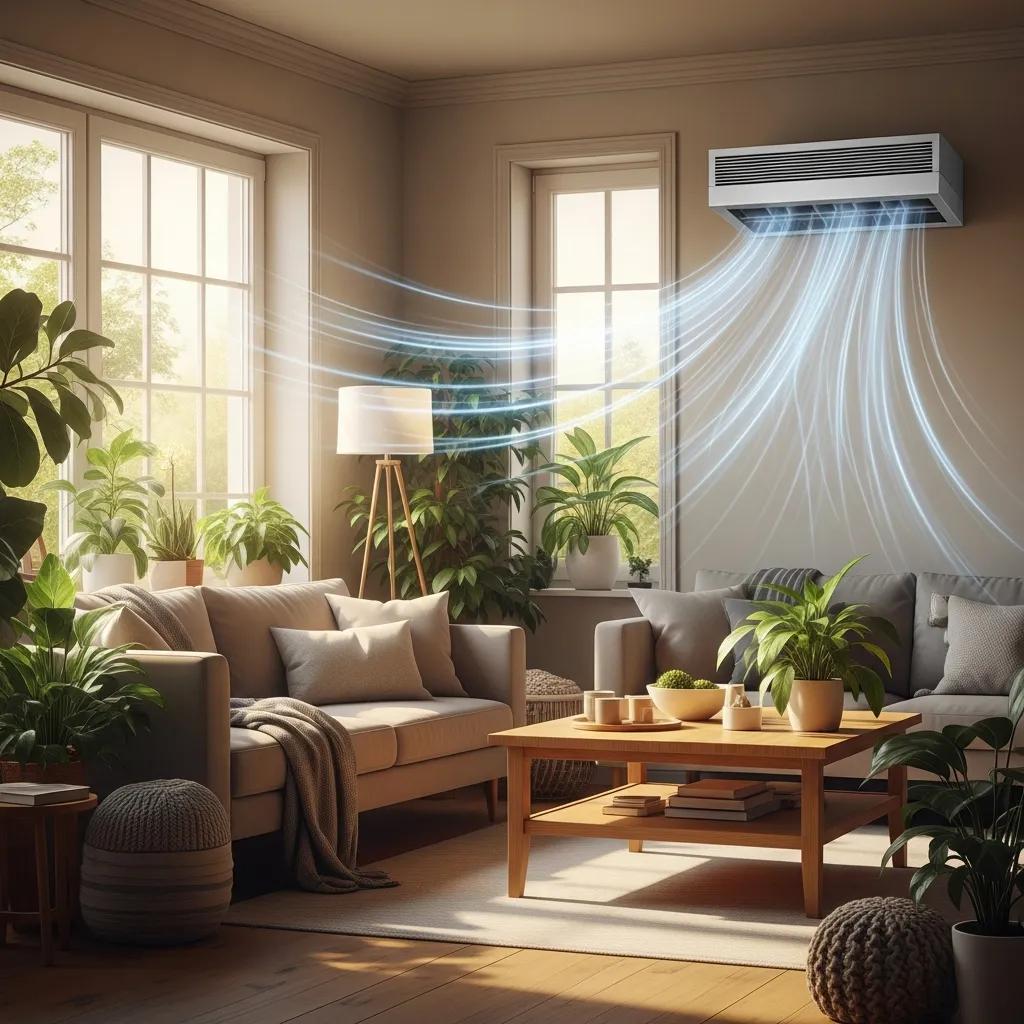
Your HVAC system plays a crucial role in maintaining indoor air quality by filtering airborne particles and ensuring proper ventilation. By trapping allergens and pollutants, it helps create a healthier living environment. Proper airflow management is essential for reducing indoor pollutants, which can alleviate allergy symptoms and enhance your overall well-being.
Filtration Effectiveness
The effectiveness of filtration methods varies. HEPA filters are widely recognized for their high efficiency in capturing small particles, while activated carbon filters excel at removing odors and chemical pollutants. Regular maintenance is key to ensuring these filters perform optimally, providing the best possible air quality for your home.
Understanding Common Indoor Allergens: Pollen, Dust Mites, and More
Common indoor allergens include pollen, dust mites, mold spores, and pet dander. Pollen often enters homes through open windows and doors, while dust mites thrive in warm, humid environments, especially in bedding and upholstery. Understanding these allergens is the first step in managing them effectively through your HVAC system.
The Role of HVAC Systems in Circulating and Reducing Allergens
HVAC systems are integral to both circulating and reducing allergens indoors. By utilizing effective air filtration technologies, your system can significantly lower allergen levels and improve overall air quality. Properly designed HVAC systems ensure clean air is distributed throughout your home, minimizing the risk of allergic reactions.
What Are the Best HVAC Air Filtration Technologies for Allergy Relief?
When it comes to allergy relief, several air filtration technologies stand out for their effectiveness.
Comparing HEPA Filters, MERV Ratings, and UV Air Purifiers
Different filtration technologies offer varying levels of effectiveness in capturing allergens. The following table compares HEPA filters, MERV ratings, and UV air purifiers based on their capabilities:
This comparison highlights the strengths of each technology, helping you choose the best options for your specific needs.
How Advanced Filtration Systems Capture Pollen and Dust Mites Effectively
Advanced filtration systems, especially those incorporating HEPA filters and activated carbon, are highly effective in capturing pollen and dust mites. HEPA filters trap these allergens, while activated carbon filters eliminate odors and chemical pollutants that can worsen allergy symptoms. Together, they provide a robust solution for improving your indoor air quality.
How Do Ductless HVAC and Heat Pump Systems Contribute to Allergen Control?
Ductless HVAC and heat pump systems offer unique advantages for allergen control. These systems prevent dust accumulation in ductwork, a common issue in traditional HVAC systems. By providing targeted heating and cooling, ductless systems maintain optimal indoor conditions without circulating allergens.
Benefits of Ductless HVAC for Minimizing Dust and Pollen Circulation
Ductless HVAC systems eliminate the need for ductwork, which can harbor allergens such as dust and mold. This design reduces the circulation of these particles and allows for more efficient temperature control in individual rooms. As a result, you can enjoy cleaner air and improved comfort throughout your home.
Heat Pumps and Their Role in Enhancing Indoor Air Quality
Heat pumps contribute to indoor air quality by maintaining consistent humidity levels and improving air circulation. By effectively managing temperature and moisture, heat pumps help create an environment less conducive to the growth of allergens like mold and dust mites.
What Maintenance Practices Ensure Optimal HVAC Performance for Allergen Reduction?
To ensure your HVAC system performs optimally for allergen reduction, we recommend the following maintenance practices:
- Regular Filter Changes: Change your filters every 1 to 3 months to maintain proper airflow and filtration efficiency. This prevents clogging and ensures your system captures allergens effectively.
- Duct Cleaning: Schedule duct cleaning every 3 to 5 years to remove accumulated dust and allergens. Clean ducts improve airflow and reduce the risk of contaminant recirculation.
- Annual Inspections: Conduct annual HVAC inspections to identify and address potential issues early. Regular check-ups help maintain system efficiency and a healthy indoor environment.
- Air Quality Monitoring: Use air quality monitors to track allergen levels and adjust maintenance practices accordingly. This proactive approach helps you maintain optimal indoor air conditions.
Recommended HVAC Cleaning and Filter Replacement Schedules
Establishing a cleaning and filter replacement schedule is key to maintaining indoor air quality. We suggest the following guidelines:
- Filter Replacement: Replace filters every 1 to 3 months, depending on usage and filter type. This keeps your system running efficiently and your air clean.
- Duct Cleaning: Clean ducts every 3 to 5 years, or more frequently if allergies are a concern. Regular cleaning prevents allergen buildup and improves airflow.
- Annual Inspections: Have your HVAC system inspected at least once a year to ensure optimal performance and air quality.
Following these schedules helps keep allergens at bay and improves your home’s overall air quality.
Professional HVAC Maintenance Services for Allergy Relief
At Snows Heating and Air Conditioning, our professional HVAC maintenance services significantly enhance air quality and reduce allergens. We provide thorough inspections, cleaning, and personalized recommendations for the best filter types based on your specific needs. Our regular professional maintenance ensures your HVAC system operates efficiently and effectively, offering you lasting allergy relief.
How to Choose the Right HVAC Filter for Your Allergy Needs?
Selecting the right HVAC filter is crucial for effective allergen reduction. Consider these factors when making your choice:
- Filter Type: Choose between HEPA, activated carbon, or UV filters based on your specific allergy concerns. Each type targets different pollutants to improve your indoor air quality.
- MERV Rating: Higher MERV ratings indicate better filtration capabilities. We help you select the appropriate rating to capture the allergens most relevant to your home environment.
- Home Environment: Assess factors such as pets, humidity levels, and common allergens in your home. This evaluation guides us in recommending the best filter type for your unique situation.
By considering these factors, we ensure you select filters that best suit your allergy management needs.
Factors to Consider: Filter Type, MERV Rating, and Home Environment
When choosing HVAC filters, keep these considerations in mind:
- Filter Type: Different filters target different pollutants. HEPA filters are excellent for allergens, while activated carbon filters are ideal for odors and chemical pollutants. We help you understand which filter suits your needs best.
- MERV Rating: Higher MERV ratings capture smaller particles, making them more effective for allergy sufferers. We guide you in selecting the right rating to balance filtration and system performance.
- Home Environment: Factors such as humidity and the presence of pets influence filter selection. We take these into account to recommend the most effective filtration solution for your home.
Understanding these factors allows us to provide you with informed, personalized HVAC solutions.
Requesting Expert Guidance and Quotes for Allergy-Friendly HVAC Filters
If you are seeking expert advice on allergy-friendly HVAC filters, we encourage you to contact Snows Heating and Air Conditioning. Our team assesses your specific air quality needs and recommends suitable filter options tailored to your home. We provide detailed quotes and consultations to help you make the best decision for your indoor air quality.
What Are the Benefits of Indoor Air Quality Improvement Services in Ferron, UT?
Improving indoor air quality through our professional services offers several benefits, including:
- Lower Rate of Allergic Reactions: Enhanced air quality can significantly reduce allergy symptoms, helping you and your family breathe easier and feel more comfortable.
- Improved Overall Health: Cleaner air contributes to better respiratory health and overall well-being, supporting a healthier lifestyle.
- Increased Comfort: A well-maintained HVAC system ensures a comfortable living environment by maintaining optimal temperature and air quality.
These benefits demonstrate the value of investing in indoor air quality improvement services with Snows Heating and Air Conditioning.
Personalized Solutions Offered by Snows Heating and Air Conditioning
At Snows Heating and Air Conditioning, we specialize in providing customized air quality strategies tailored to your individual needs. Our expert guidance ensures you can effectively manage allergens and improve your indoor air quality. We focus on customer satisfaction by delivering solutions that enhance both comfort and health in your home.
Customer Testimonials and Case Studies on Allergen Reduction Success
Our customers’ real-life success stories demonstrate the effectiveness of our HVAC systems in reducing allergens. Many clients have reported significant improvements in their allergy symptoms after implementing our recommended air quality solutions. These testimonials highlight the value of professional HVAC services in creating healthier living environments.
Where Can You Access Reliable HVAC Allergen Removal Solutions and Support?
If you are looking for reliable HVAC allergen removal solutions, Snows Heating and Air Conditioning is your trusted local provider. We offer comprehensive services and educational resources to help you make informed decisions about your air quality management. Our team is dedicated to supporting you every step of the way.
How to Request Service and Quotes for Indoor Air Quality Enhancements
To request HVAC services and quotes for indoor air quality enhancements, follow these steps:
- Identify Specific Needs: Assess the types of allergens present in your home and the improvements you desire. We assist you in this evaluation to tailor our services accordingly.
- Contact Local Providers: Reach out to Snows Heating and Air Conditioning for consultations and personalized quotes. Our team is ready to provide expert advice and solutions.
- Compare Options: Evaluate different service offerings and pricing to find the best fit for your home and budget. We ensure transparency and quality in all our proposals.
Following these steps streamlines the process of enhancing your indoor air quality with our professional support.
Improve Your Indoor Air Quality Today with Snows Heating and Air Conditioning
Don’t let allergens compromise your comfort and health. Contact Snows Heating and Air Conditioning to schedule a consultation and discover the best HVAC air filtration solutions tailored to your needs. Our expert team is committed to helping you breathe cleaner, healthier air in your home.